What 4.3% expected inflation means for your cash
Households now expect prices to rise faster over the next year than most savings accounts pay. The gap between the rates savers see and the inflation they expect is quietly deciding who gets poorer.
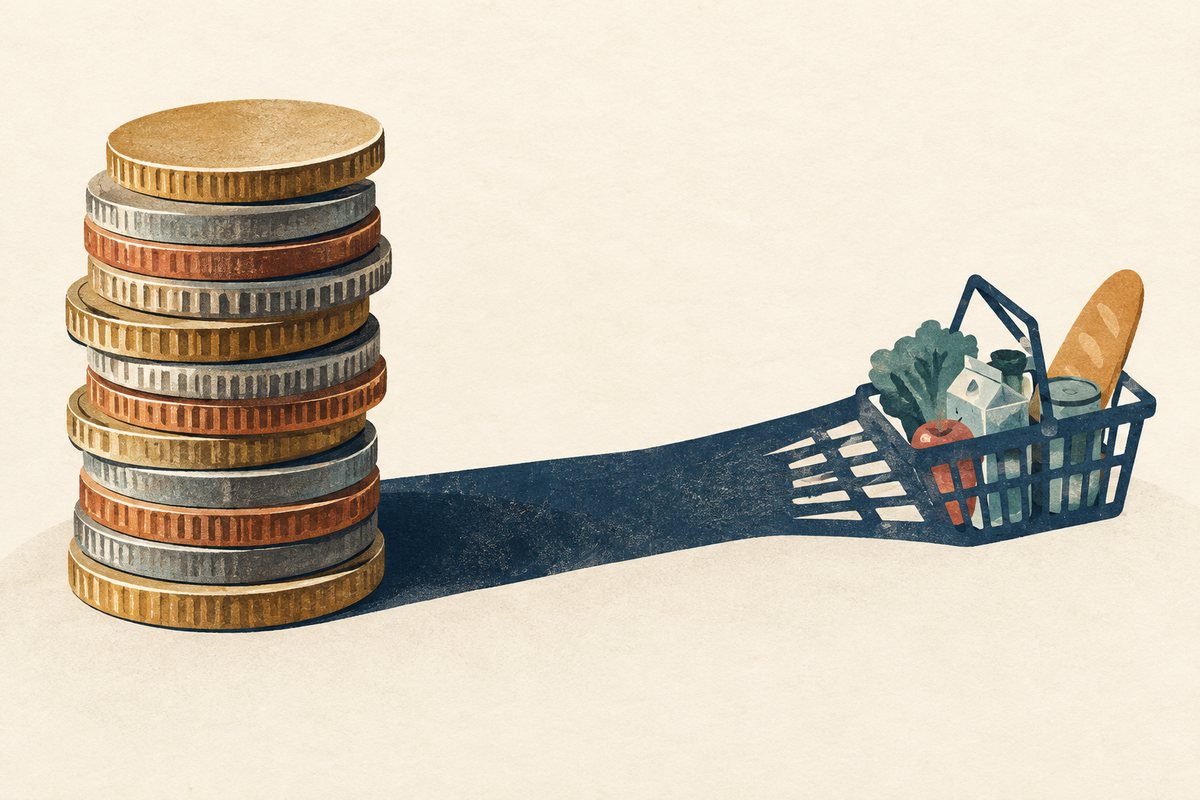
Buried in last week's University of Michigan survey is the number that matters most to household finance: consumers expect 4.3% inflation over the year ahead, up from 4.2%, and only 8% of respondents expect their incomes to keep pace. Set that against the rate environment — a Fed policy rate of 3.50–3.75%, and measured inflation at 3.4% — and the household arithmetic is uncomfortable: cash in a typical account earning below the policy rate loses purchasing power at roughly the gap between its yield and whichever inflation number you believe.
Which number you believe is the crux. Measured CPI has been easing — core is at 2.5%, its best since 2021 — while expectations have been rising. Both cannot describe the coming year. If the official trajectory holds, cash and short-duration savings are close to whole in real terms for the first time in years. If households' expectations prove right — and five years above target is why they distrust the official path, a concern several Fed policymakers share, per Reuters — then unhedged cash keeps leaking value at 2026's pace.
The practical responses are unglamorous. Money parked long-term at a rate below the policy rate is an unforced error in either scenario — the spread between lazy deposit rates and best available short-term yields is pure cost. Fixed long-term borrowing gets cheaper in real terms if expectations are right, so the panic refinance has a case against it. And wage negotiation is where expectations become reality: the 92% who don't expect to keep pace mostly won't ask.
The Ledger's read: the expectations number is a better guide to household behaviour than to actual inflation — surveys overshoot in both directions. But personal finance is played against your own costs, not the CPI basket, and the only universally correct move in a 3–4% world is refusing to hold cash at 1%.
From The Ledger archive. A factual review record is not available for this article. About our editorial standards. Material sources are credited and linked above; quotations are brief and attributed.