Only if you are a resident of Canada and still have unused TFSA contribution room. A withdrawal is restored as room on January 1 of the next calendar year, not when you take the money out.
Lower headline inflation does not show whether groceries became cheaper. Even slower food inflation leaves the measured food basket dearer when its rate remains positive.
The S&P 500 closed last week at an all-time high of 7,798.99 after two inflation reports came in softer than feared. What makes this rally unusual is the direction of the argument behind it: the next Federal Reserve move under debate is a rise, not a cut.
Three dissents at the last meeting, governors openly split, a chair who won't show his hand, and a president demanding cuts while part of the committee argues for a hike. The minutes on Wednesday and the Jackson Hole symposium later this month will show which faction is winning.
Retail sales fell 0.6% in July despite a World Cup boost, consumer sentiment dropped hard, and real wages have been falling for six months. The economy's engine hasn't stalled — but it is knocking.
River AI said it raised $1.1 billion across Series Seed and Series A. Lovable said it raised $400 million at a $13.3 billion valuation—approximately twice its December 2025 valuation. Funding raised and company valuation are different measures.
Super Micro jumped 19% on results, memory makers surged, and Big Tech's AI spending is on course to top $700bn this year. The earnings are real; so is the size of the cheque being written to keep them coming.
Weak retail sales and soft jobs data lifted stocks last week because they argue against a rate hike. That logic has a shelf life, and the expiry conditions are visible in advance.
Households now expect prices to rise faster over the next year than most savings accounts pay. The gap between the rates savers see and the inflation they expect is quietly deciding who gets poorer.
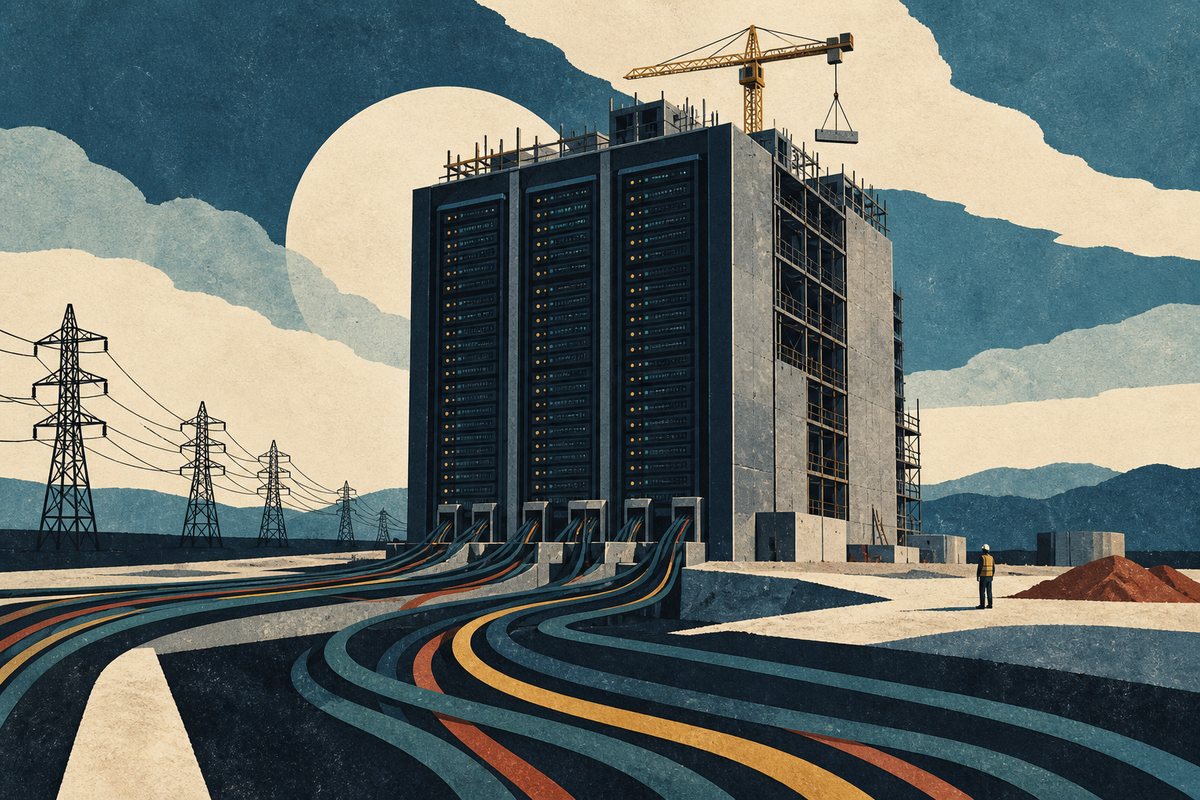
The deep dive for the week of 17 August. Big Tech's AI spending is on course to nearly double in a year, to more than $700 billion. That is no longer a software story — it is an infrastructure cycle, and it moves the risk somewhere the equity market isn't used to looking.
What The Ledger is, how its own reporting is labelled, where the Newsstand comes from, and how to reach the desk. This page is part of the app, not an article, and carries no date.
Kept in this browser's local storage and sent only to api.openai.com. Never uploaded anywhere else. Without a key, Listen falls back to your device's built-in voice.
The Newsstand is gathered on the site's build, on a half-hour schedule that GitHub runs when it can — a target, not a promise — so the time shown is when it was actually gathered. Only publicly available RSS/Atom feeds are used; nothing behind a paywall or login is fetched, and every story links back to its publisher. Gathering the Newsstand never changes The Ledger's own articles.
The Ledger is new and shaped by its readers. Tell us what to fix or cover:
send feedback →